When I think about dogs in artwork — the paintings that have hung in homes for centuries — they're almost never in cities.
They're in fields. Alongside rivers. Against open sky. In landscapes that feel timeless and unhurried.
There's a reason for that. Dogs photograph beautifully in nature. And the reasons go beyond just aesthetics.
The Backdrop Does Something a City Can't
Urban sessions offer real advantages — architecture, color, interesting textures. I photograph in cities and I love it.
But rural settings give dogs something different: a backdrop that feels at home for them.
Green grass, earth-toned rocks, bark, open sky, warm sunlight. These are the colors that have always surrounded dogs. When a dog stands in a field or on a trail, the image feels right. And that feeling translates directly into wall art that looks at home in your living room.
Even when I'm photographing in the city, I'm looking for natural backgrounds — pockets of green, open sky, anything that puts color and nature behind the dog. Rural settings just give us that everywhere, all at once.
Space to Actually Move
Most dogs don't start a session relaxed. They start it excited, distracted, or both.
Rural locations give us room to walk. To let the dog sniff and explore and burn off some of that initial energy before we ask them to do anything resembling a portrait. The open trails and fields that are standard in my favorite rural Georgia locations give your dog time to decompress and just be a dog — and that ease shows up in the images in a way that a rushed urban session often can't replicate.
The Light Is Different
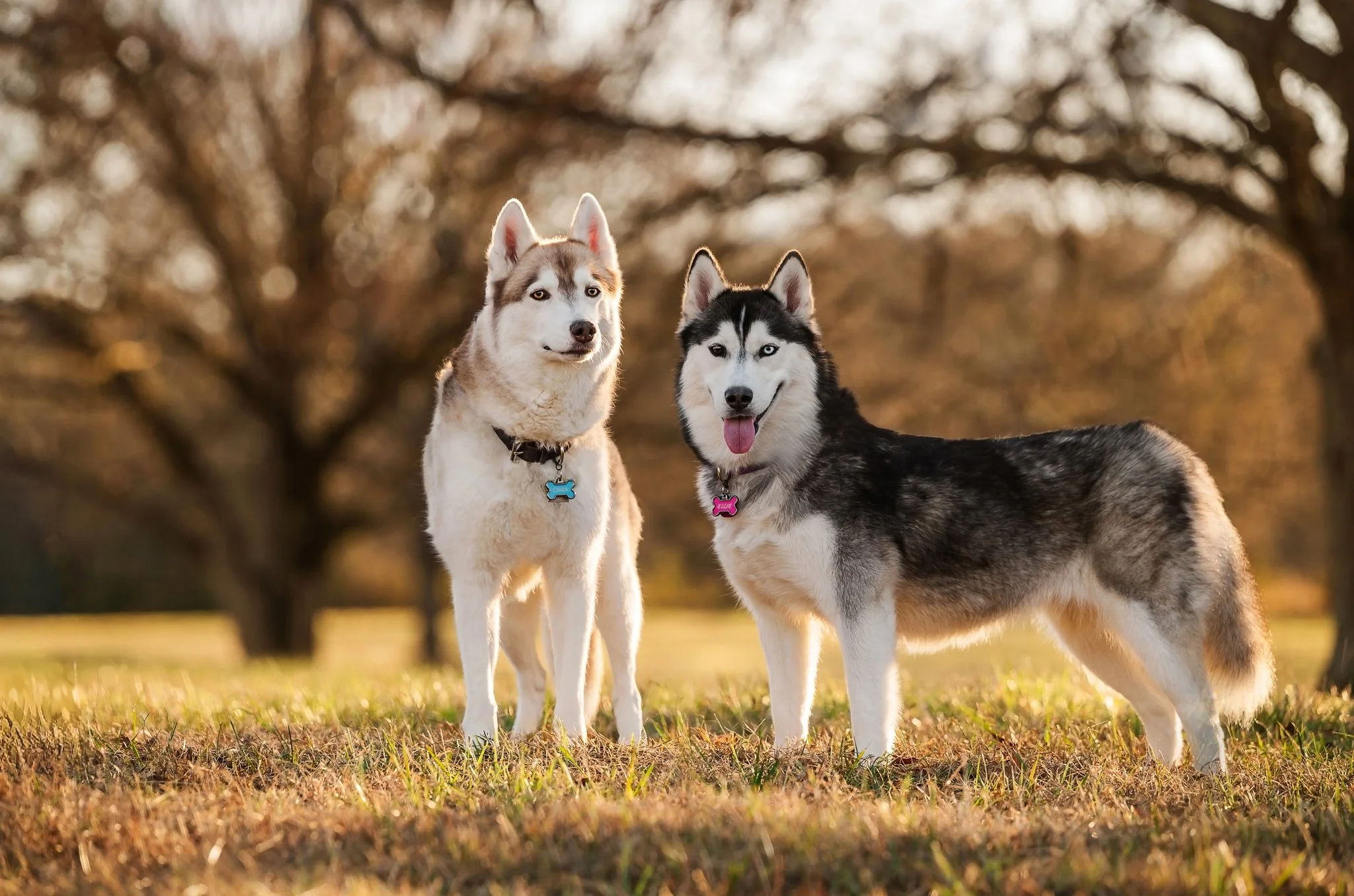
Signature Sessions meet at sunrise or sunset — always.
In rural areas, that light does something specific. Trees act as natural diffusers, breaking direct sun into those beautiful golden beams that filter through the branches and wrap around a dog. That quality of light is harder to find in the city, where buildings cast hard shadows and architectural angles compete with natural light direction.
Rural locations let the light be the star, adding dimension and atmosphere without any artificial help.
Fewer Distractions, Calmer Dogs
Cities are loud.
Traffic, other dogs, strangers, kids, interesting smells in every direction — all of it is working against your dog's attention during the session.
Rural areas reduce so many distractions. The quiet means your dog isn't constantly scanning for the next thing. It means I'm not competing with a passing cyclist or a crowd of people who want to watch the photo shoot and pet your dog. It means the dog in your portrait is actually paying attention — and that's the difference between a good photograph and a great one.
The Drive Is Worth It
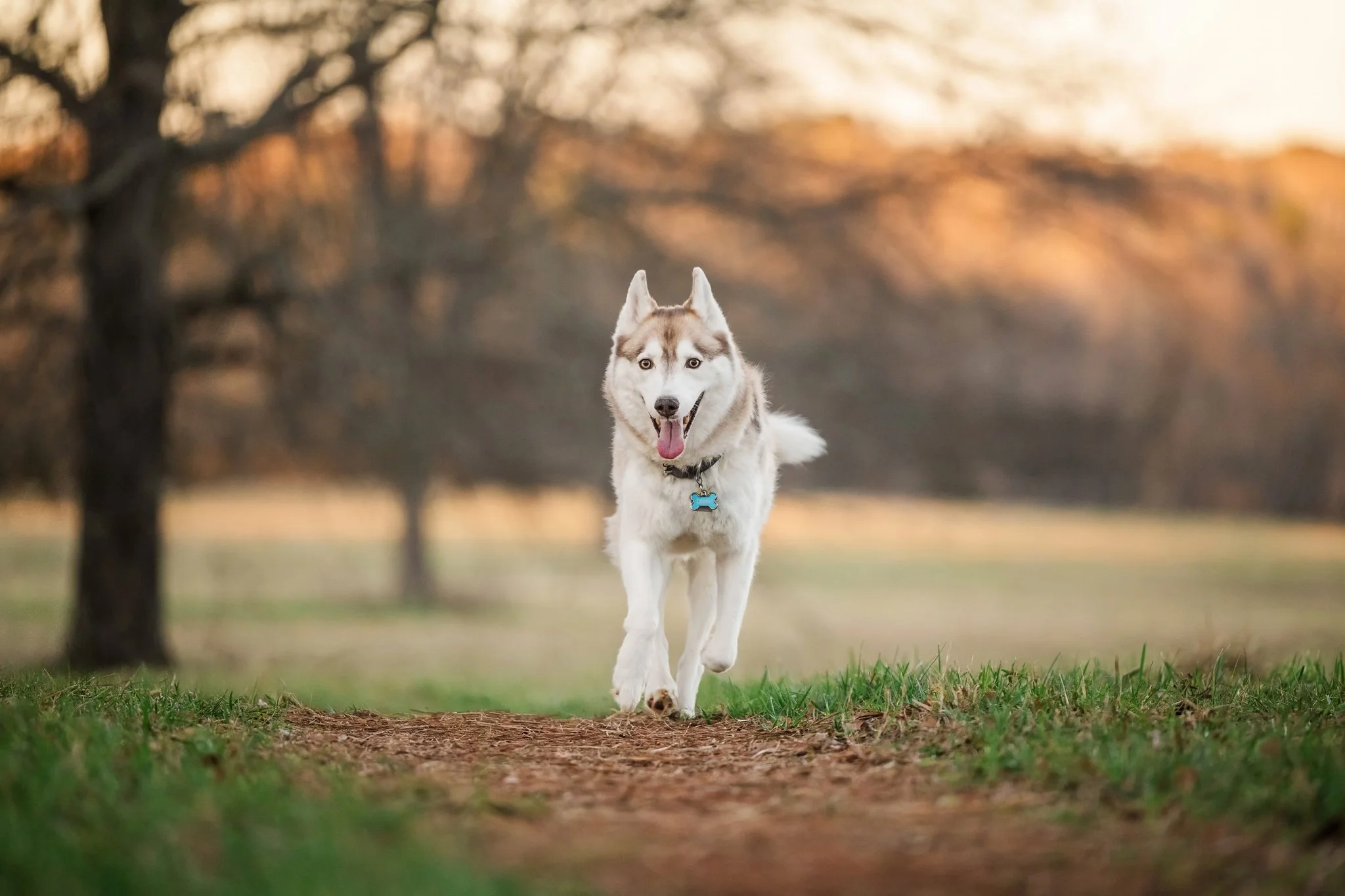
I photograph throughout greater Atlanta and into north & central Georgia, and many of my favorite locations are 30–90 minutes from the city.
Clients who make that drive almost always say it was worth it.
The images from rural sessions tend to feel more spacious, more timeless, and more like the paintings I had in mind when I started this work. If that's what you're after, we should talk about where to go.
→ Read next: