
5 Tips for Helping Your Senior Dog Live Their Best Life
I remember the first time I saw Bella move more slowly than her usual spring-loaded leap into full husky zoomie mode. My first thought was that she'd slept on her leg funny.
My mind's eye still held the image of her teenage self — the one who once removed the lid from a crock pot on the stove, liberated the marinating steaks, and replaced the lid so neatly that no one noticed for a full fifteen minutes.
But Bella was nearly thirteen by then. And she was telling me, in her gentle Bella way, that things were different now.
Over more than a decade of working with senior dogs in rescue and professionally — and of loving my own dogs through their older years — I've gathered a handful of things that actually make a difference. Here are five of them.
1. Make Mealtime a Game
As dogs age, they often become less playful. The zoomies get shorter and the naps get longer. But play is just as important to a ten-year-old dog as it is to a one-year-old.
One of the easiest ways to keep a senior dog mentally engaged is to turn part of feeding time into a puzzle.
The Muffin Tin Game: Place treats or kibble in each cup of a muffin tin and cover each one with a tennis ball. Let your dog figure out how to get to the food. For tiny dogs, use a mini muffin tin with ping pong balls. For dogs who find it frustrating, lighten it up — skip a few balls, use lighter balls, or use just half their meal.
You can vary the contents too — peanut butter in one, kibble in another, a small piece of hot dog, a favorite treat. The point isn't the food. It's the problem-solving. Keeping a senior dog's brain working keeps them younger longer.
2. Take Their Food Seriously
A quick note first: if your vet has prescribed a specific diet for a medical condition, follow their guidance. These tips aren't medical advice.
That said, senior dogs tend to fall into one of two categories when it comes to food. Some seem to gain weight more easily as their metabolism slows — their spirit animal is a couch potato with snack opinions. Others become less food motivated and need help maintaining weight.
For easy gainers, a senior or less-active formula with fewer calories can help, and you can shift treats toward things like baby carrots, peas, and apple slices without cutting back on the frequency.
For picky eaters, palatability is everything. Low-sodium chicken broth, bone broth, or a small spoonful of dog-safe baby food mixed into kibble can make a dramatic difference. I've converted some very convinced non-eaters this way.
3. Keep Moving — Just Warm Up First
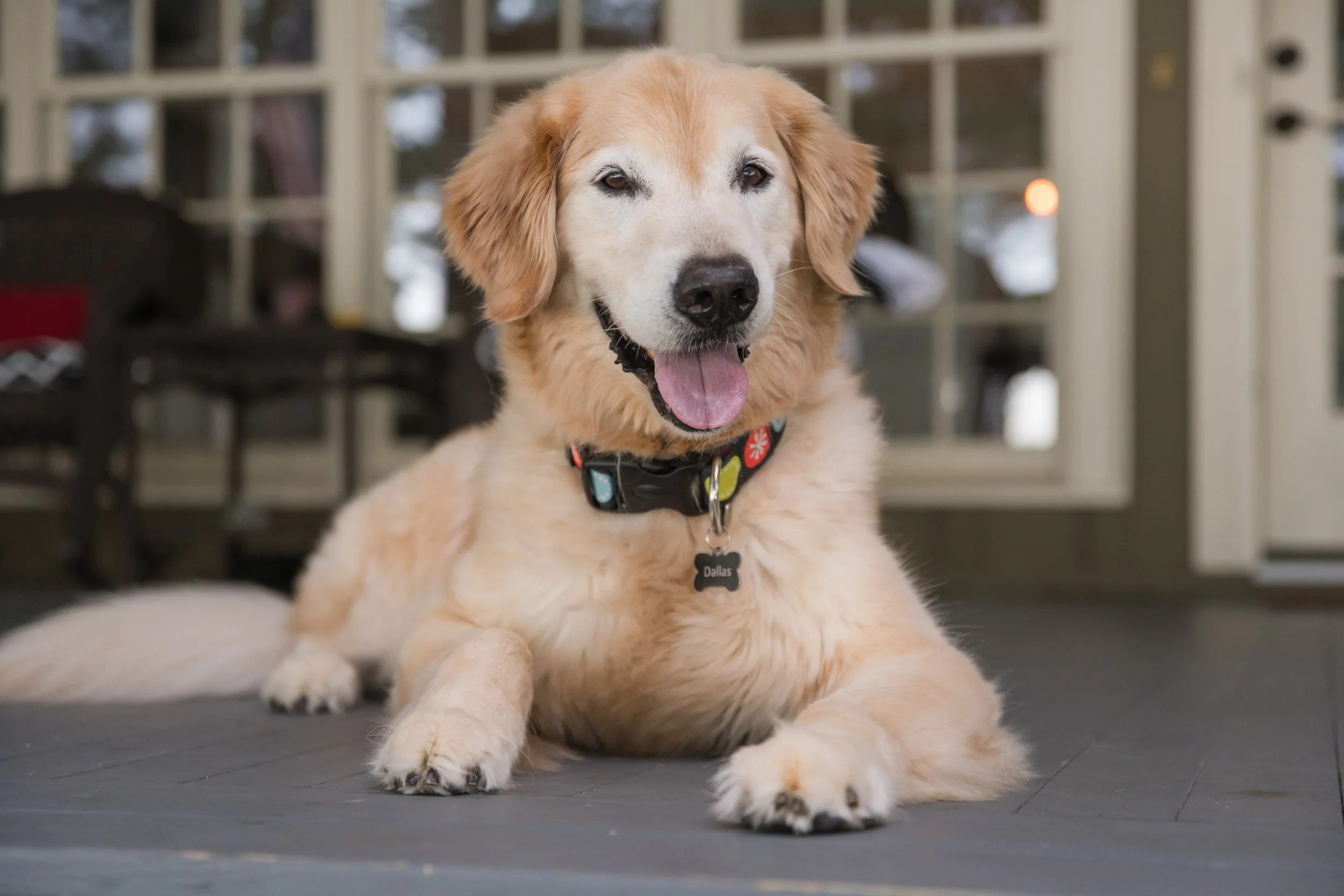
Senior dogs need exercise. It keeps their heart, lungs, joints, and brain working. It prevents muscle loss. And a dog who moves regularly just feels better.
The adjustment is pacing. Starting any walk a few minutes slower than usual gives aging joints time to warm up and reduces the risk of injury. From there, most senior dogs are happy to walk at a good clip — and some are still up for a genuine adventure.
Watson and Clementine, my pugs, have both taught me something about this: even a short, nose-led wander around the block is real exercise and real enrichment for a senior dog. The pace is their call. The getting-out-and-moving part is non-negotiable.
4. You Can Teach an Old Dog New Tricks
Teaching new tricks is one of the best things you can do for an aging dog's brain. Learning forms new neural pathways. It keeps dogs engaged, attentive, and connected to you.
"Spin" is a good place to start — it's low-impact, easy to teach in most physical conditions, and extremely satisfying to watch a senior dog nail with confidence.
Scent work is another excellent option for senior dogs, especially those with physical limitations. It's mentally demanding, physically accessible, and deeply satisfying for dogs who love to use their nose. If you're local to the Lawrenceville area, Canine Country Academy offers excellent scent work classes.
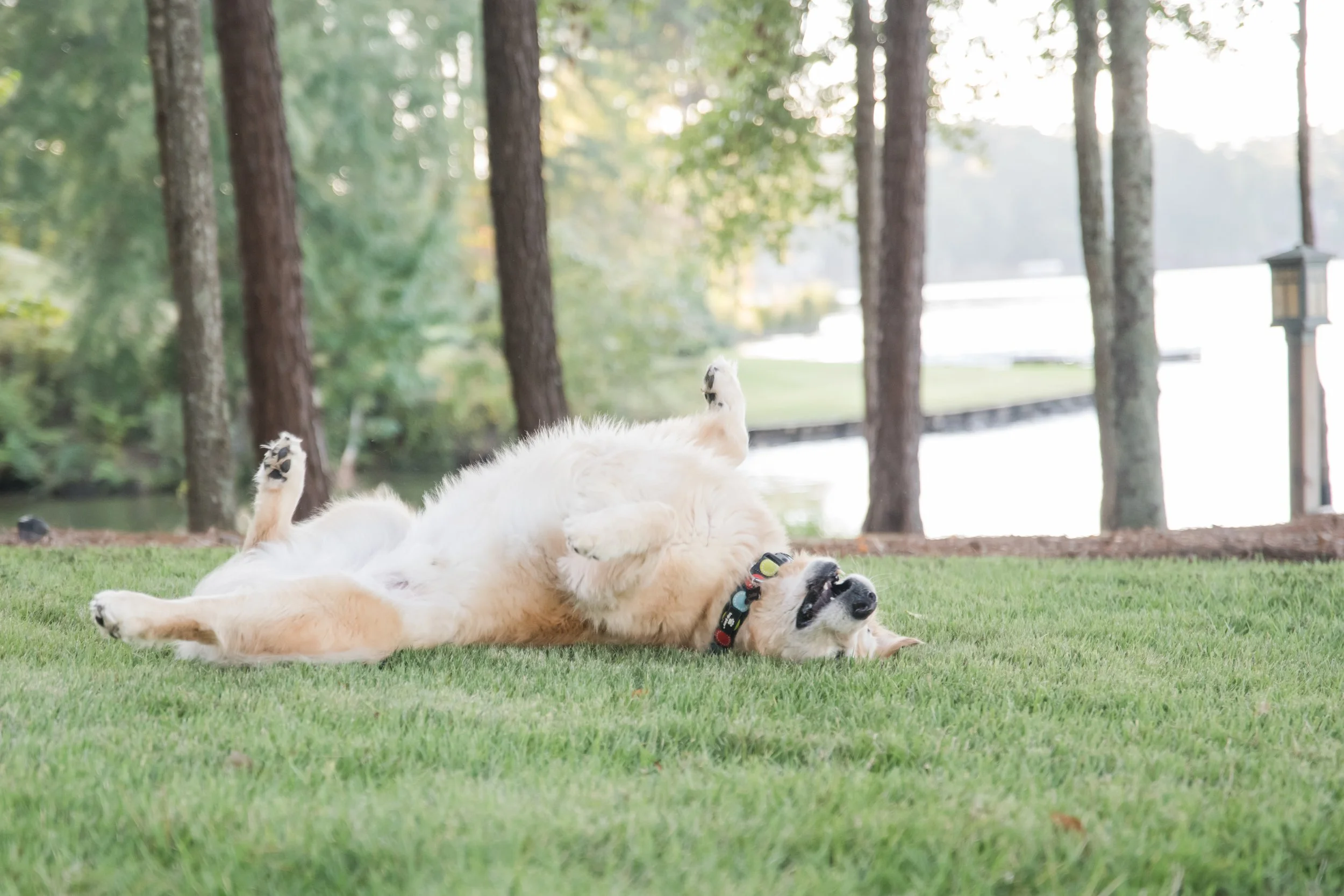
5. Double Up on Vet Visits
Most veterinarians recommend that senior dogs be examined twice a year rather than once. Senior dogs can develop health issues quickly, and catching them early makes an enormous difference in outcomes and quality of life.
A thorough physical exam can reveal dental disease, arthritis, heart disease, kidney disease, and more — often before the dog shows obvious symptoms. You are also your dog's best advocate because you know them. Keep a running note on your phone of anything that changes: new lumps, increased water intake, accidents in the house, changes in appetite, any irritability. These behavioral shifts are often the first signal that something needs attention.
Daily full-body petting sessions are a wonderful way to check for changes while also being exactly what they look like: a dog getting a massage from someone who loves them. During my canine CPR & first aid course the instructor advised us to complete monthly “snout to tail” at home checks monthly with our dogs and it’s advice I’ve taken to heart.
These years are different. They're also, I think, some of the most meaningful.
The dog who wakes up more slowly, who needs more time on the warm-up, who is working harder than you realize to still be here every morning — that dog deserves every bit of attention, care, and presence you can give.
→ Read next: