You hired a professional photographer. You had a session. You loved the images.
And then the files went on your phone, and stayed there.
If that sounds familiar — you're not alone. And the reason it happens isn't that you don't care about the photographs. It's that getting from file to finished product is harder than it looks, and most people don't know where to start.
This is one of the things I take off your plate.
Quality
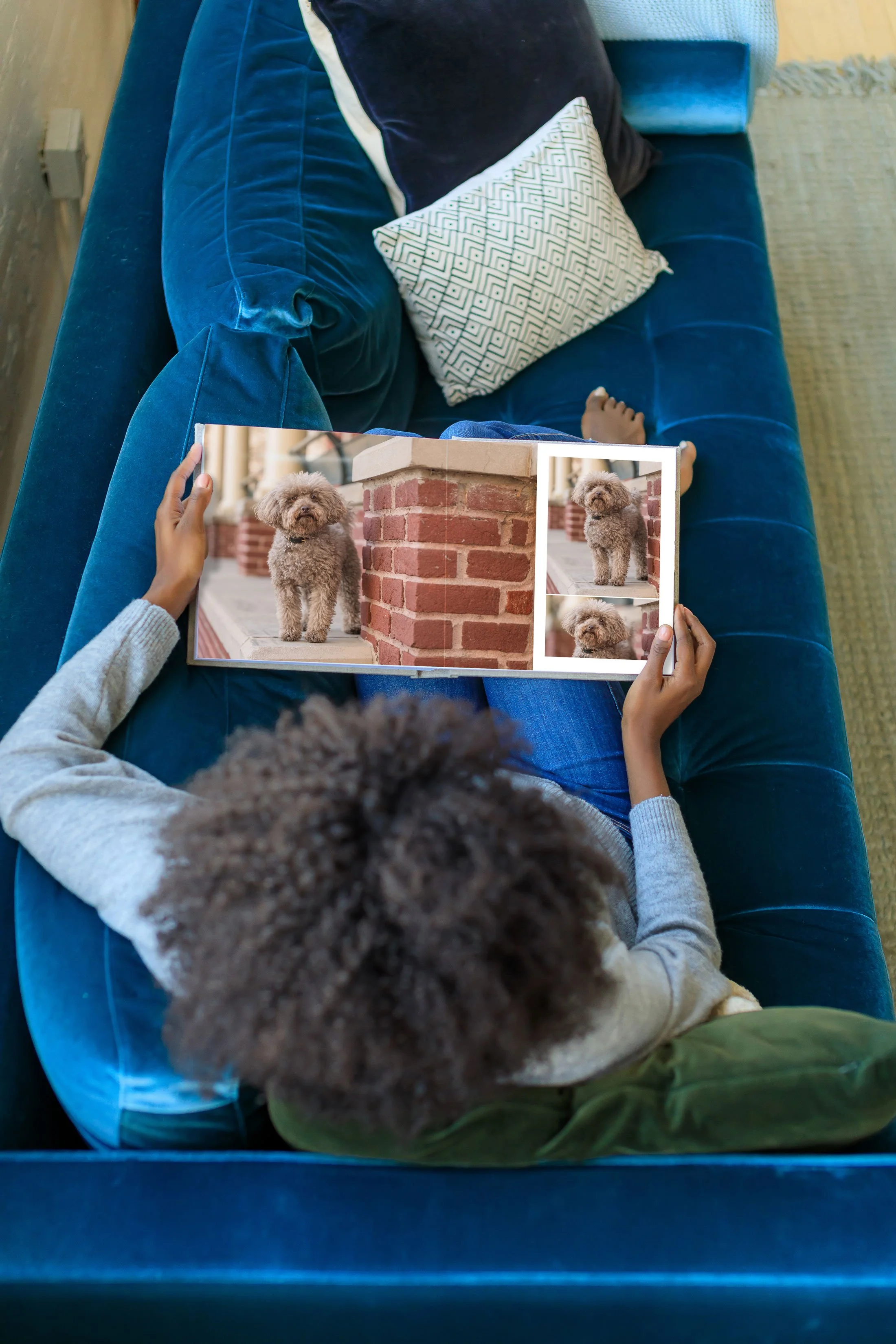
Professional photographers calibrate their monitors to match professional labs.
That's not a small thing. A screen that's even slightly off — in brightness, in color temperature, in contrast — will produce prints that look completely different from what you saw in real life. If you've ever ordered prints somewhere and gotten them back looking green, dark, or washed out, a calibration mismatch is almost certainly why.
My screen matches my lab. I use color profiles specific to each paper type I order. I've run test prints so I know exactly what's coming back before a client ever sees it.
What you see in the gallery is what you get on your wall.
Efficiency
Consumer print labs are overwhelming.
Every week there's a new one promising the lowest price or the new tile to stick on the wall. Some of them are probably fine. But who has time to test them all, learn the interfaces, figure out which paper types matter, and figure out why the canvas arrived looking nothing like the proof?
Working with me means access to the professional labs I've already vetted, tested, and trust — labs that exist specifically for professional photographers, not for same-day drugstore orders.
You tell me what you love. I handle the rest.
Expertise
Printing is design work.
Not every image crops well at every ratio. A square canvas and a 16x24 print are fundamentally different products, and the image that's stunning in one proportion can feel awkward in another.
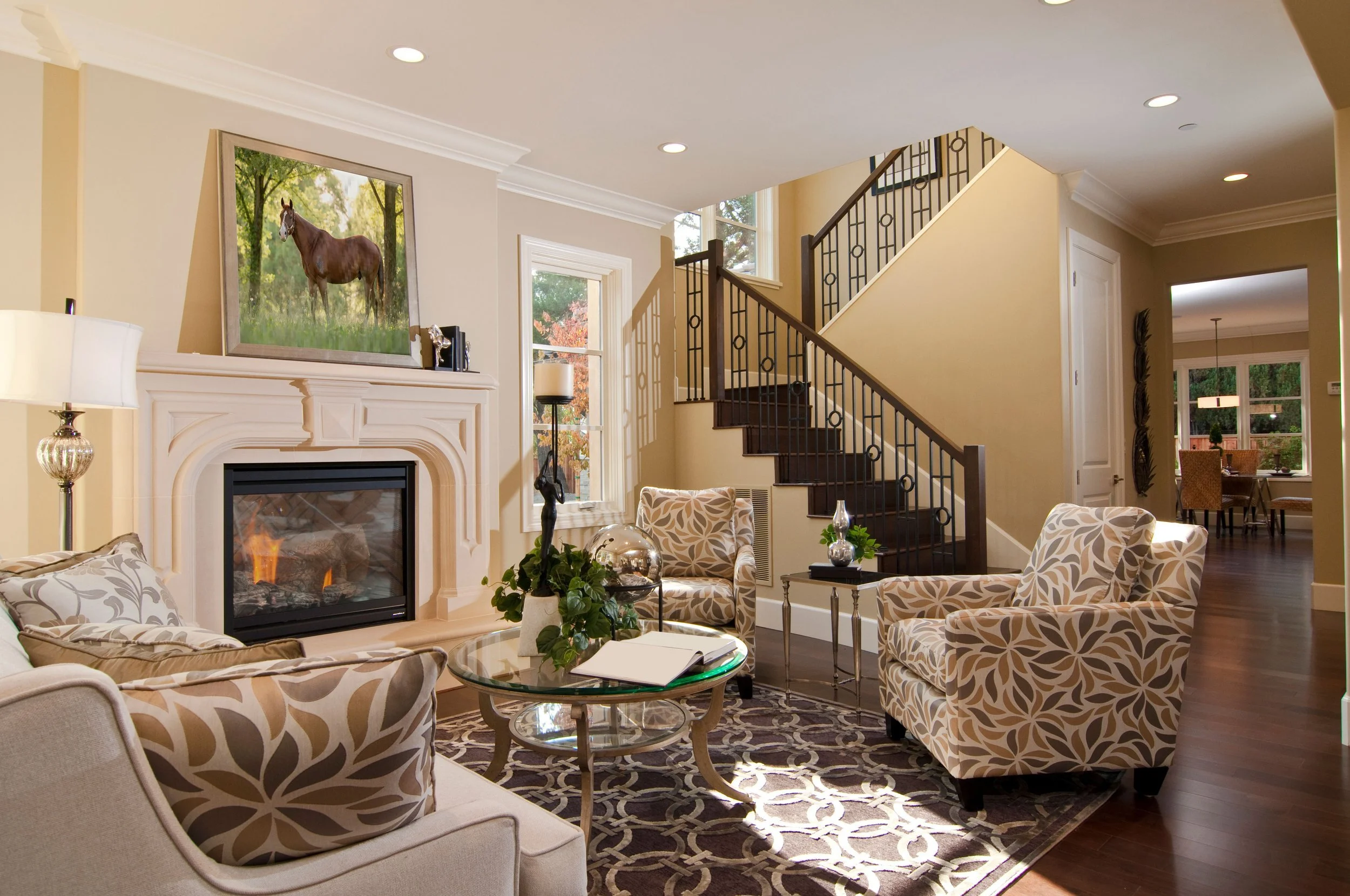
As a photographer and designer, I know which images will hold up large and which will be stronger as a smaller detail piece. I know what should be printed on canvas, on glossy metal, on traditional photo paper with a deckled edge. I know how images pair in an album spread, how a gallery wall needs to be sequenced to tell a story, and how to match the finished product to the specific wall where it's going to live.
You don't have to figure any of that out.
Assurance
I stand behind everything I produce.
Every product I deliver is made by labs I've personally tested and trust. And I personally guarantee that you will love what we create together — or I'll make it right.
That's not a coupon. It's a guarantee.
→ Read next: